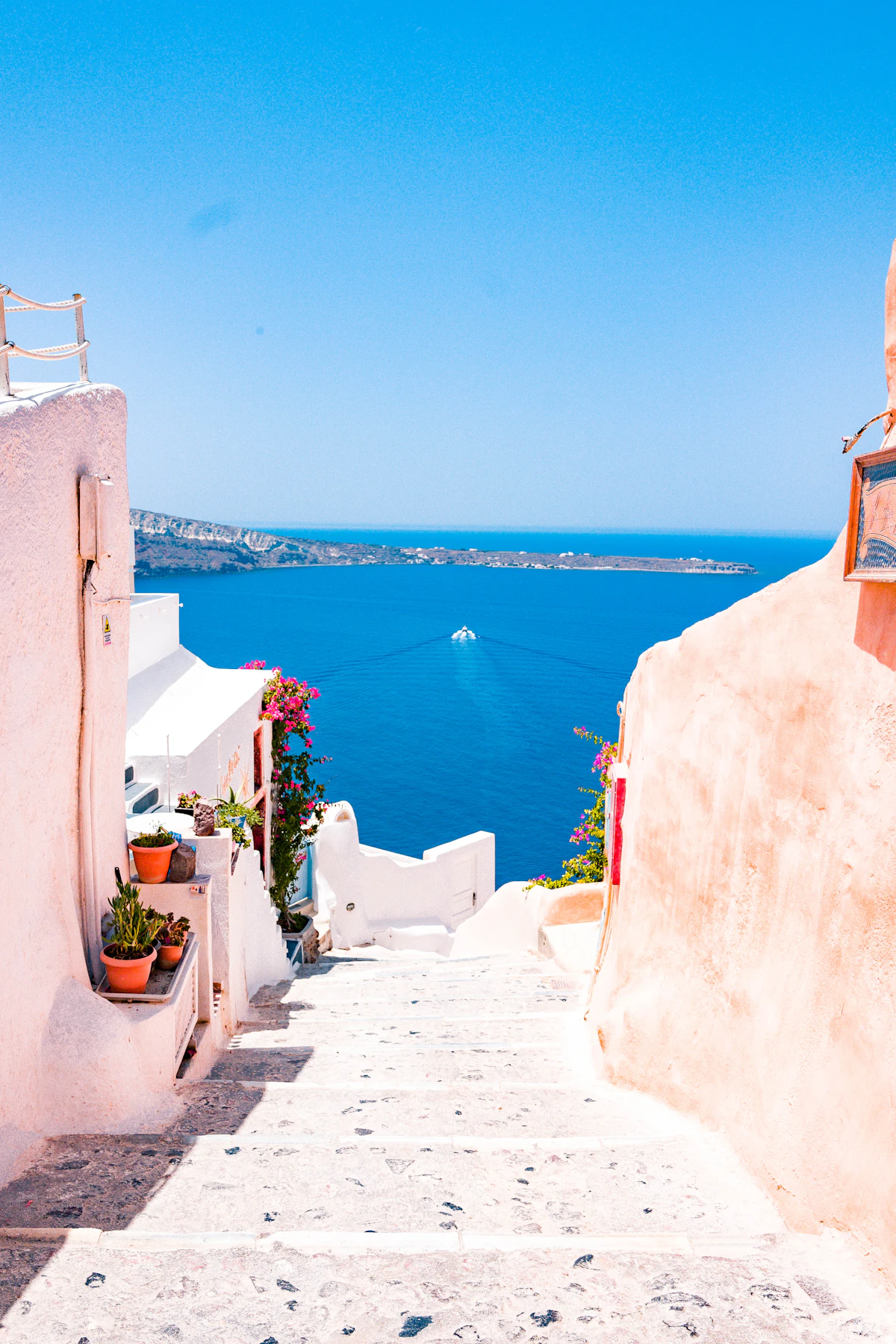
In an age characterized by checklist tourism and hyper-accelerated transit, slow travel represents a quiet revolution. It is an intentional philosophy that prioritizes depth over distance, connection over consumption, and the patient unfolding of place.
1. Decoupling from Checklist Tourism
Modern tourism all too frequently mirrors factory production: rigid itineraries designed to capture photographic trophies at iconic landmarks before racing to the next destination. Slow travel replaces this frenetic consumption with spatial stillness.
By choosing to anchor in a single valley, coastal village, or neighborhood for weeks rather than days, the traveler transforms from a passive spectator into an attentive neighbor, cultivating meaningful relationships with local markets, artisans, and landscapes.
2. Overland Journeys and Scenic Rail Transit
Aviation compresses geography, severing the emotional transition between landscapes. Traveling via overland railways, coastal passenger ferries, or alpine footpaths restores the continuity of terrain:
- Topographic Appreciation: Watching vegetation, architectural vernacular, and dialects shift gradually across borders.
- Carbon Reduction: Slashing transit emissions by up to 85% compared to short-haul domestic flights.
- Contemplative Cadence: Enjoying uninterrupted hours for journaling, reading, and sustained conversation.
3. Supporting Micro-Economies and Artisanal Guilds
Slow travelers direct resources away from multinational cruise conglomerates and international hotel chains toward family-run trattorias, heritage guesthouses, and regional craft cooperatives, ensuring economic benefits remain rooted in the host community.
4. The Art of the 'Flâneur': Unplanned Exploration
Leaving generous blank spaces on your calendar invites serendipity. The most unforgettable travel memories—stumbling upon an unmapped mountain chapel, sharing tea with an olive farmer—occur when we surrender rigid expectations to the rhythm of the road.
5. Sustainable Stewardship and Leave No Trace
Slow travel embodies ecological humility. By minimizing waste, respecting sacred cultural norms, and patronizing conservation initiatives, travelers help protect fragile heritage for future generations.
The Slow Travel Maxim
Do not measure a journey by the number of borders crossed, but by the depth of perspective gained and relationships formed.